
The new baseline: real-time relevance
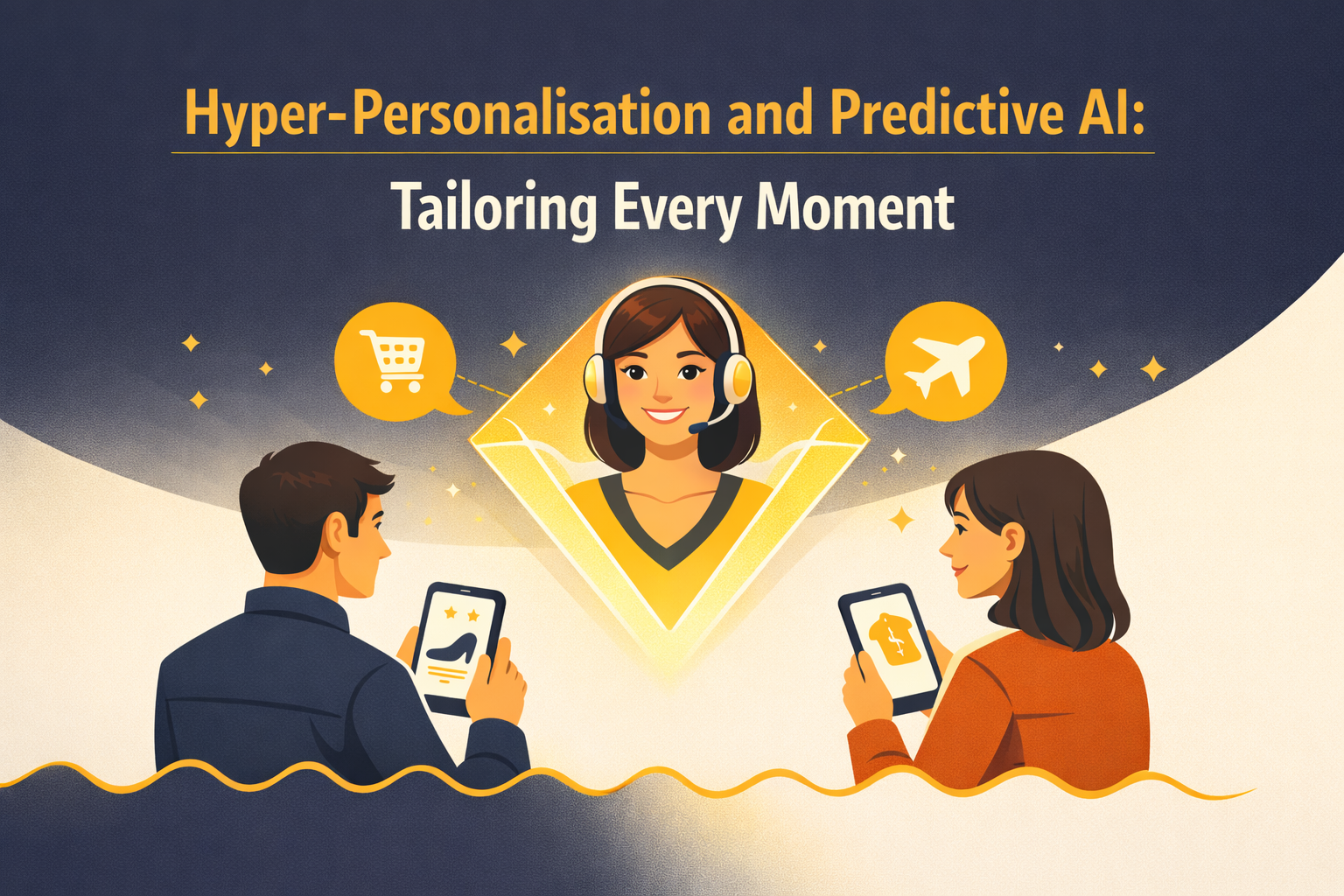
Customers increasingly expect brands to recognise their preferences and deliver tailored experiences at every touchpoint. By 2026, hyper-personalisation will go beyond simple recommendations — it will use real-time behavioural signals, context and predictive analytics to anticipate what shoppers want before they ask. Next-generation personalisation relies on AI-driven systems to analyse real-time behaviour and intent, enabling businesses to deliver tailored offers before a shopper searches. This requires processing large volumes of data securely and integrating AI tools for recommendations, dynamic pricing and adaptive product displays.
How predictive models power growth
AI now enables deep, real-time personalisation at scale by combining behavioural, transactional and contextual data. Retailers can segment audiences using predictive characteristics and automatically optimise omnichannel campaigns. Case studies show that brands leveraging AI-powered personalisation can achieve dramatic returns. Beyond marketing, AI is also becoming an operational “brain” that predicts disruptions and optimises fulfilment — and the same predictive logic can inform inventory placement so products are stocked closer to demand hot spots.
Dynamic pricing, promotions and profit
Dynamic pricing engines are another facet of predictive AI. AI can adjust prices based on real-time demand, competition and inventory levels. Retailers benefit from higher margins and faster responses to market shifts, while shoppers receive targeted discounts or urgency-driven offers. To make this work reliably, businesses need real-time data synchronisation for pricing signals and promotional mechanics. The foundation is an AI-ready data architecture with unified customer profiles and consistent taxonomy across channels.
Key takeaway
In 2026, hyper-personalisation will be the default expectation rather than a differentiator. To remain competitive, e-commerce companies should build clean data pipelines, employ AI-powered segmentation and adopt predictive algorithms for recommendations, pricing and fulfilment. When used responsibly, predictive AI can create experiences that feel genuinely helpful while driving revenue growth.